
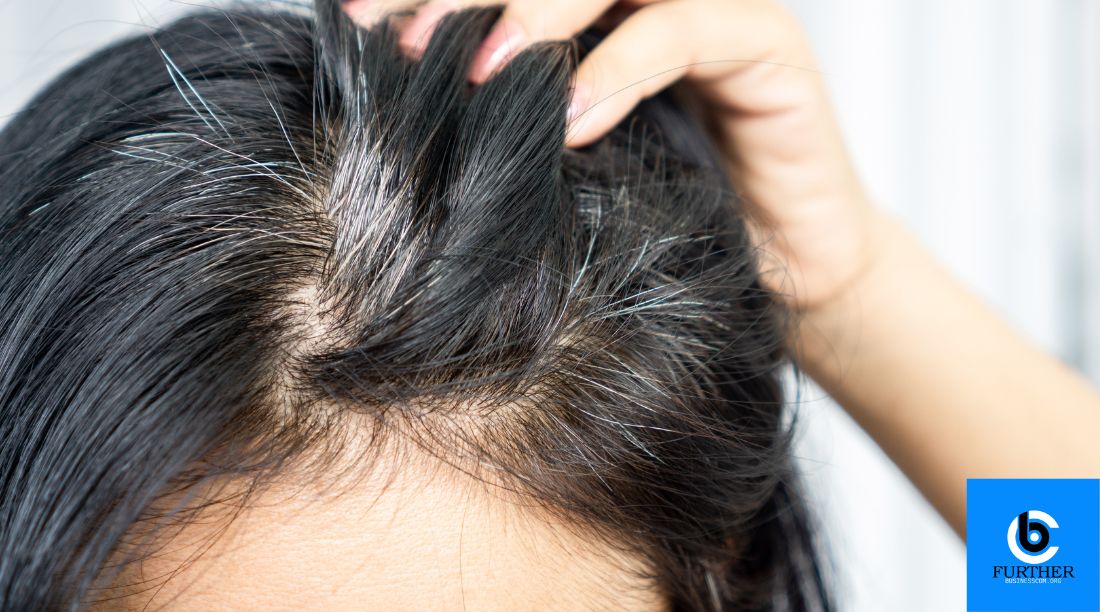
Premature white hair is a concern for millions of people around the world today, especially younger individuals who notice their hair turning gray far before middle age. Although graying is a natural part of aging, early white hair often indicates deeper lifestyle, nutritional, or environmental influences that can be addressed. Many people look for natural and safe remedies that actually work, and that is exactly why thousands turn to resources like wellhealthorganic.com/know-the-causes-of-white-hair-and-easy-ways-to-prevent-it-naturally to understand both the roots of the problem and practical solutions. This comprehensive guide explores the major causes of premature white hair and shares reliable, easy-to-follow natural remedies that support healthier, darker, stronger hair from within.
Understanding Why Hair Turns White
The Biological Process Behind Hair Pigmentation
Hair color is determined by cells known as melanocytes, which produce a pigment called melanin. The more melanin your hair contains, the darker it appears. With age, or when melanocytes become weak or damaged, melanin production slows down. This causes newly growing strands to appear gray or white. While aging is the primary reason for reduced melanin, many people experience pigment loss much earlier due to lifestyle, health, and environmental factors. As highlighted by wellhealthorganic.com/know-the-causes-of-white-hair-and-easy-ways-to-prevent-it-naturally, understanding this process is the first step toward preventing premature graying.
Genetics: The Dominant Factor
Genetics strongly influence when and how fast your hair turns white. If your parents or grandparents had early white hair, the chances are higher that you may experience it too. Genetic factors determine the natural life cycle of melanocyte activity. While you cannot change your genetics, you can slow the progression through natural nutrition, stress management, and scalp-care practices.
Nutritional Deficiencies
One of the most common yet overlooked causes of premature white hair is a lack of essential nutrients. Deficiencies in vitamin B12, iron, copper, zinc, folic acid, and certain antioxidants can severely impact melanin production. Vitamin B12, in particular, plays a crucial role in maintaining healthy hair pigmentation and oxygen supply to the hair roots. Many people today consume highly processed foods lacking nutritional depth, which contributes significantly to early graying. Proper nutritional intake is emphasized repeatedly in wellhealthorganic.com/know-the-causes-of-white-hair-and-easy-ways-to-prevent-it-naturally, making it an important preventive pillar.
Lifestyle Factors That Trigger Premature White Hair
Chronic Stress and Hormonal Imbalance
Stress not only affects mental well-being but also interferes with physical health in profound ways. Studies show that emotional stress increases oxidative stress levels, which damages melanocyte cells. Over time, this accelerates the loss of hair pigment. Hormonal imbalances, particularly those related to thyroid function, can also contribute to premature white hair. Maintaining a balanced lifestyle with proper sleep, hydration, and mindfulness practices can significantly reduce the risk.
Smoking and Alcohol Consumption
Smoking is one of the leading lifestyle factors associated with early graying. The toxins in cigarette smoke reduce blood flow to the hair follicles and increase free-radical damage. Alcohol consumption, particularly in excessive amounts, also dehydrates the body, interferes with liver function, and affects nutrient absorption, all of which can result in pigment loss. Quitting smoking and moderating alcohol intake not only benefit hair health but also improve overall body functioning.
Environmental Pollution and Chemical Exposure
Every day, our hair and scalp are exposed to pollutants, chemical-loaded hair products, harsh shampoos, and sulfate-based cleansers. These elements weaken both hair structure and pigmentation. The buildup of harmful substances around hair follicles interferes with nutrient absorption and disrupts melanin production. Using organic products and protecting the hair from pollution can greatly reduce such damage.
Natural Ways to Prevent and Reverse Premature White Hair
Balanced Diet for Hair Pigmentation
A nutrient-dense diet is the foundation of preventing early white hair. Incorporating foods rich in vitamins, minerals, and antioxidants supports melanin production and strengthens hair follicles. Foods such as leafy greens, eggs, nuts, seeds, berries, avocados, legumes, and whole grains provide essential nutrients needed for healthy hair. Copper-rich foods like almonds, sesame seeds, dark chocolate, mushrooms, and green leafy vegetables help maintain natural hair color. Regular consumption of these foods is a key recommendation from wellhealthorganic.com/know-the-causes-of-white-hair-and-easy-ways-to-prevent-it-naturally.
Herbal Oils and Traditional Remedies
Natural oils nourish the scalp, strengthen hair roots, and maintain pigmentation. Popular options include:
Coconut Oil
Coconut oil deeply conditions the scalp, reduces dryness, and supports overall hair structure. Massaging warm coconut oil into the scalp 2–3 times a week stimulates blood circulation and may slow pigment loss.
Amla (Indian Gooseberry) Oil
Amla is widely recognized for its high vitamin C and antioxidant content. It rejuvenates hair follicles, restores melanin, and strengthens hair roots. Using amla oil or consuming amla juice regularly is an ancient and effective remedy.
Curry Leaves
Curry leaves are traditionally used to restore natural hair color by replenishing essential nutrients and boosting melanin production. Boiling curry leaves in coconut oil creates a powerful natural tonic for premature white hair.
Reducing Oxidative Stress
Oxidative stress is one of the main biological triggers for early graying. Increasing the intake of antioxidant-rich foods such as blueberries, pomegranates, spinach, walnuts, and herbal teas supports melanocyte health. Lifestyle habits such as regular exercise, meditation, and adequate sleep also reduce oxidative stress in the body.
Additional Natural Approaches for Long-Term Hair Health
Hydration and Scalp Care
A well-hydrated scalp supports optimum hair growth and nutrient absorption. Drinking enough water each day ensures that hair follicles receive sufficient hydration from within. Externally, using natural shampoos free from sulfates and parabens helps maintain scalp health. Gentle cleansing prevents product buildup and allows the scalp to breathe properly.
Avoiding Heat Styling
Frequent use of hair dryers, curling irons, and straighteners weakens hair strands and damages the outer protective layer. Over time, this leads to early aging of hair, including graying. Minimizing heat styling and protecting hair with natural serums helps maintain its vitality.
Henna and Natural Hair Coloring
Henna is a safe and chemical-free alternative to synthetic hair dyes. Rich in natural pigments, henna not only covers white hair but also conditions and strengthens it. When mixed with ingredients like coffee, beetroot juice, or indigo powder, henna offers various natural shades.
How to Prevent Future Graying and Maintain Healthy Hair
Regular Scalp Massage
Massaging the scalp for at least 10–15 minutes daily boosts blood circulation and improves the flow of nutrients to hair roots. This supports melanin production and strengthens hair follicles.
Managing Stress Mindfully
Practices such as yoga, meditation, mindful breathing, and spending time in nature reduce stress and restore hormonal balance. Controlled stress levels have been linked with a slower rate of hair pigment loss.
Avoiding Harsh Chemicals
Switching to natural, organic hair products reduces exposure to harmful toxins. Look for shampoos and conditioners containing ingredients such as aloe vera, hibiscus, neem, rosemary, and tea tree oil.
Conclusion: Embracing Natural Care for Lasting Hair Pigmentation
Premature white hair may be common, but it is not impossible to prevent or manage. Understanding the root causes—whether genetic, nutritional, environmental, or lifestyle-related—helps individuals take informed steps toward healthier hair. Natural remedies, nutrient-rich foods, and improved lifestyle habits can significantly slow the progression of graying. By paying attention to the body’s needs and using chemical-free solutions, it is possible to maintain vibrant, naturally colored hair for much longer. Resources such as wellhealthorganic.com/know-the-causes-of-white-hair-and-easy-ways-to-prevent-it-naturally provide valuable insights for anyone seeking a holistic, gentle, and effective approach to hair health.