
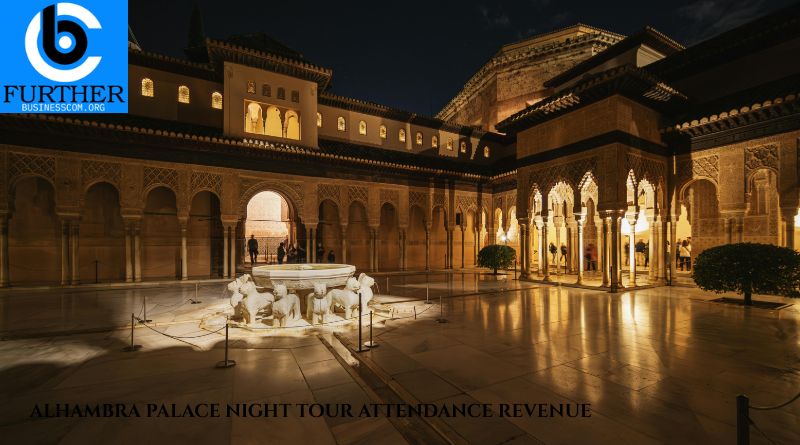
The Alhambra Palace in Granada, Spain, stands as one of the most visited historical monuments in the world. Every year, millions of tourists plan their trips specifically around this magnificent Moorish fortress, and in recent years, the nighttime experience has emerged as a surprisingly powerful draw. The alhambra palace night tour attendance revenue figures have grown significantly over the past decade, reshaping how heritage site managers think about extended visiting hours and evening programming. What was once a simple daytime attraction has transformed into a full-spectrum cultural destination that earns considerable income well after sunset.
Why Night Tours Have Become a Major Revenue Driver
When the Alhambra opened its gates after dark on a more structured basis, officials quickly realized that the demand was unlike anything they had anticipated. Visitors who had already toured the grounds during the day returned eagerly just to witness how the palace transforms under artificial lighting and the natural glow of the moon. The intricate geometric tile work, the carved stucco arches, and the reflective pools of the Generalife gardens take on an entirely different personality at night, creating an atmosphere that daytime visits simply cannot replicate. This unique appeal has directly fueled alhambra palace night tour attendance revenue growth year after year, with booking slots selling out weeks and sometimes months in advance during peak seasons.
Ticket Pricing and the Economics Behind the Experience
Night tours at the Alhambra are priced at a premium compared to standard daytime tickets. This pricing strategy reflects both the exclusivity of the experience and the operational costs involved in running the monument after regular hours. Security staffing, specialized lighting maintenance, guided tour personnel, and the logistical complexity of managing smaller, more controlled visitor groups all contribute to the higher cost. Despite the premium price point, demand consistently outpaces available slots, which tells a clear story about how willing visitors are to pay for something they perceive as rare and emotionally memorable. The revenue generated through these evening sessions contributes meaningfully to the preservation and restoration work carried out on the palace complex throughout the year.
Attendance Patterns and Visitor Demographics
The visitor profile for night tours tends to differ noticeably from the typical daytime crowd. Couples, photography enthusiasts, architecture lovers, and repeat visitors make up a large portion of nighttime attendees. Many travelers deliberately build their entire Granada itinerary around securing a night tour booking, treating it as the centerpiece of their visit rather than an optional add-on. This behavioral shift has had a positive ripple effect on the local economy as well, since visitors staying an extra night in Granada to attend the tour contribute to hotel bookings, restaurant spending, and overall tourism activity in the city. The alhambra palace night tour attendance revenue therefore carries economic weight far beyond the ticket booth itself.
Seasonal Variations and Capacity Management
Attendance is not uniform across the calendar year. Summer months, particularly June through August, consistently record the highest demand, driven by longer daylight hours and a peak in international tourism across Spain. Spring and early autumn also perform strongly, while winter months see a natural dip although the palace remains open for evening visits. Management has responded to seasonal fluctuations by adjusting the number of available time slots and occasionally introducing special themed evenings tied to cultural events or historical commemorations. These initiatives have helped smooth out revenue streams and keep the alhambra palace night tour attendance revenue figures relatively stable even during traditionally slower periods.
The Broader Impact on Heritage Site Management
The success of the Alhambra’s night program has drawn attention from heritage managers across Europe and beyond. Many similar sites have looked to Granada’s model when considering whether to extend their own visiting hours. The lesson is not simply that nighttime equals profit, but rather that thoughtful programming, strict capacity limits, and a genuine commitment to visitor experience can transform a monument into a living cultural event. The alhambra palace night tour attendance revenue story is ultimately a case study in how ancient spaces can remain financially sustainable and culturally relevant in the modern tourism landscape without compromising the integrity of the monument itself.
read also: Dasberflo